
Industrial Design
PORTFOLIO
2026
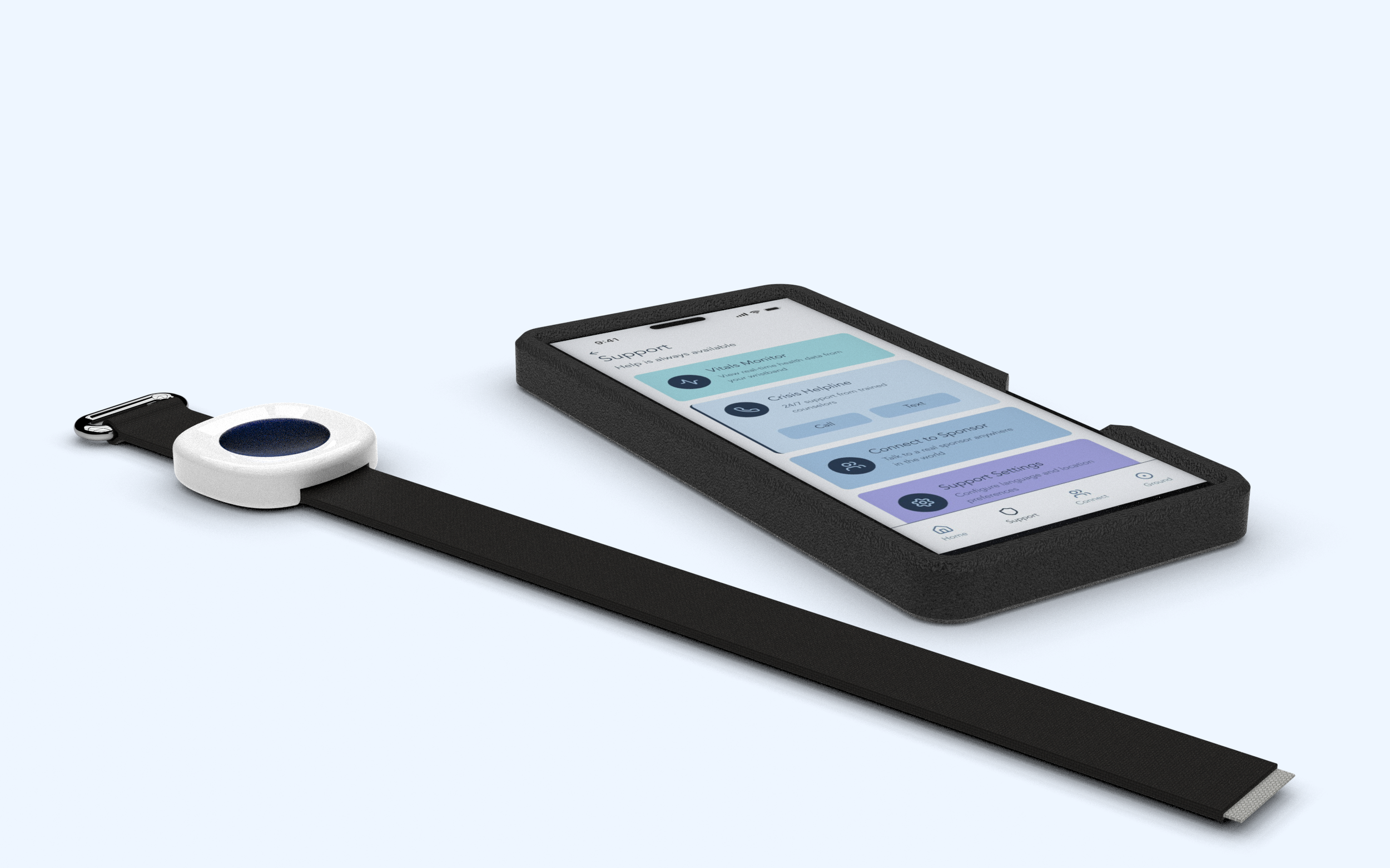
Arcana
Recovery Support System

I began struggling with substance dependency shortly after turning eighteen. While treatment and 12-step programs provided periods of structure and support, isolation and inconsistent access to community often created critical gaps in recovery.
During one of my longer periods of sobriety, my sponsor passed away from cancer. Without that support system, I stopped attending meetings and relapsed shortly after.
I am now six years sober. Arcana was developed from a desire to create a support system for people navigating recovery during moments when traditional systems become inaccessible or absent.
Research combined competitive analysis, surveys, and interviews to identify emotional, behavioral, and structural gaps within recovery support systems.



60%
of addicts relapse after beginning recovery, usually in the first year
50%
of recovery outcomes improve with strong social support
75%
of individuals who serve as sponsors remain clean

“My willpower alone isn’t enough”
-Ny (8 Months Clean)
“I need steady accountability and a physical anchor”

-Carol (5 Years Clean)
“The people who left me decades ago didn’t leave because I drink”
-Rick (23 Years Clean)
Early concepts explored how recovery support could become physical, immediate, and continuously accessible
Immediate Accessibility
Discreet Integration
Passive Monitoring
Personal Presence

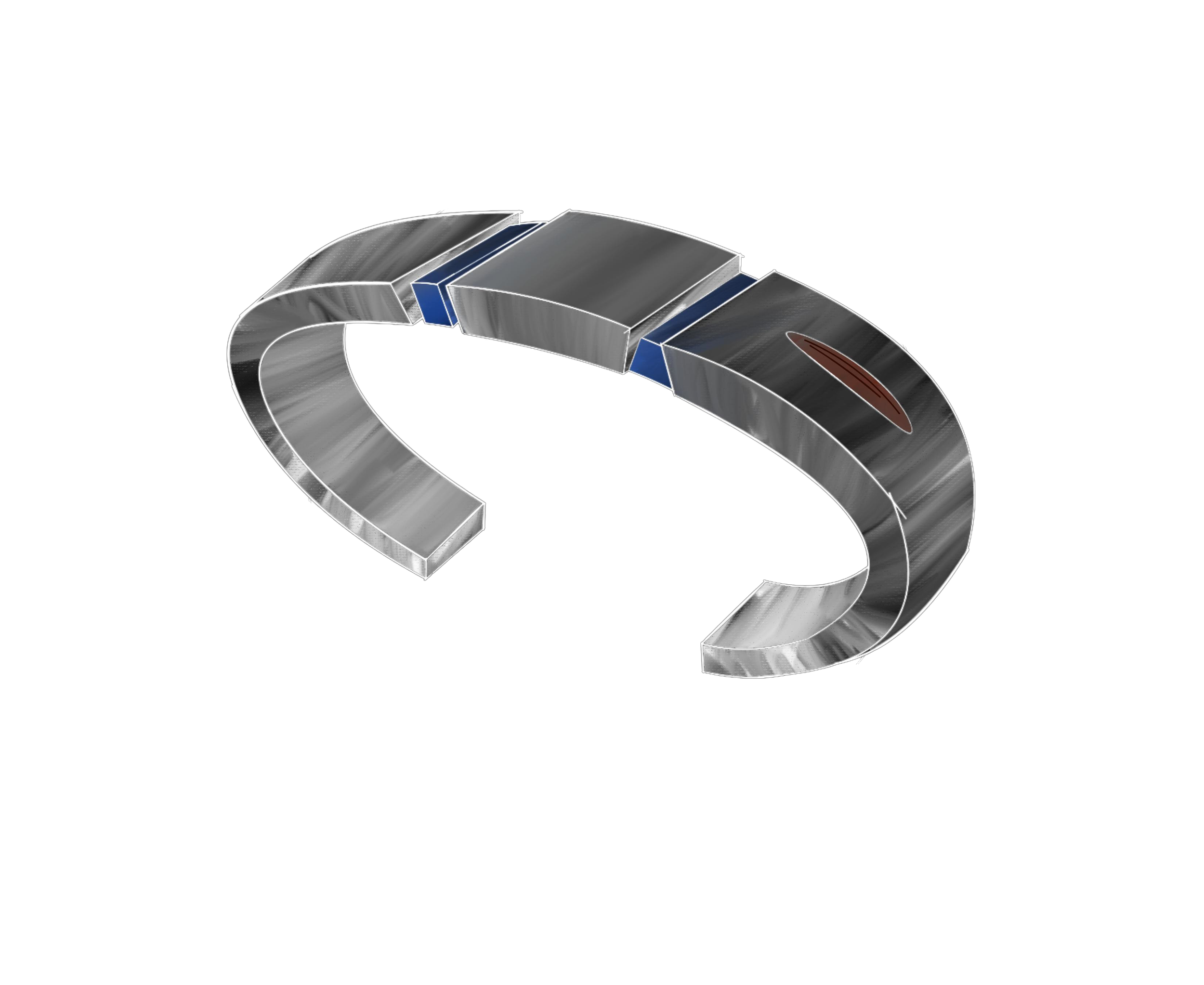

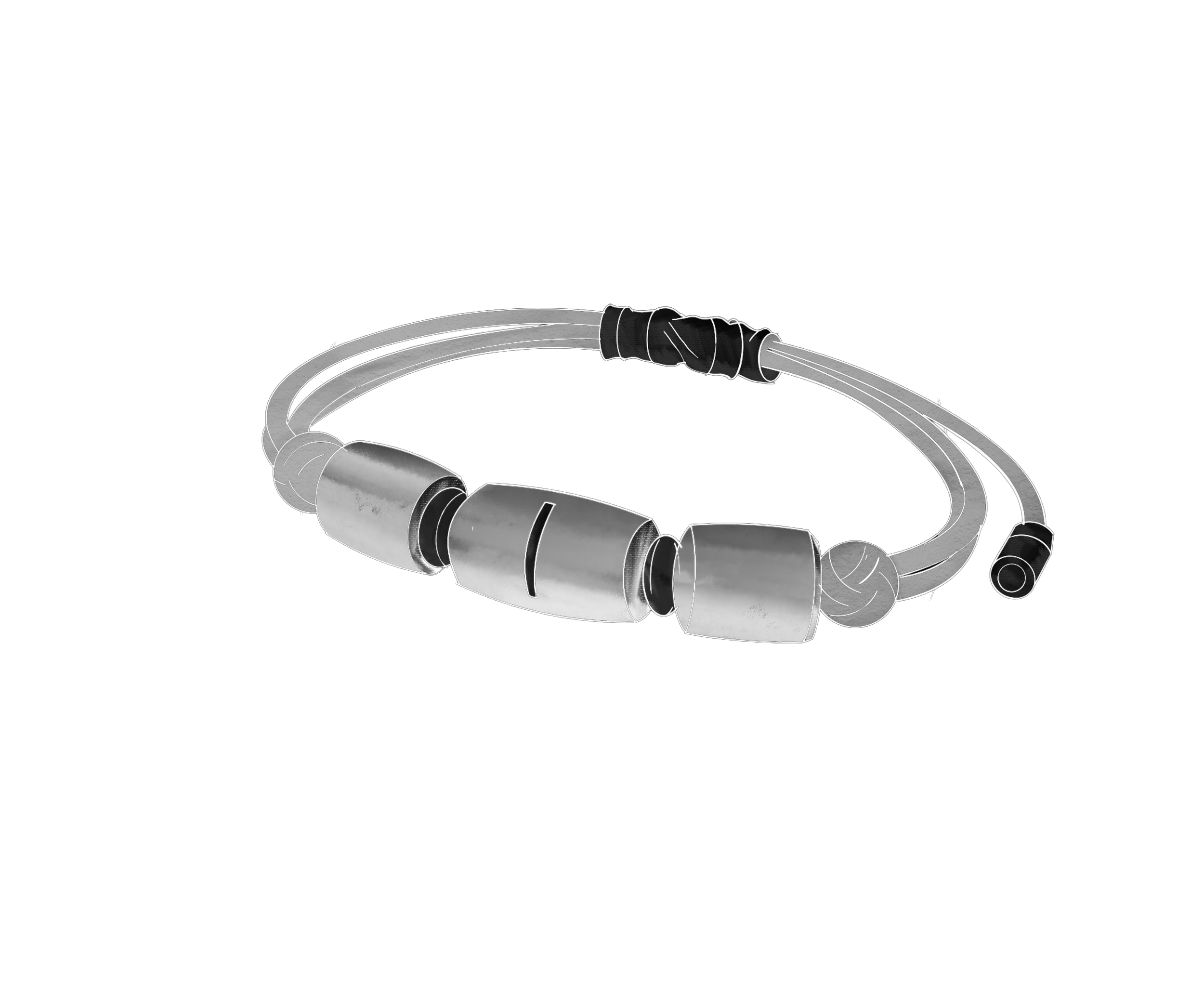
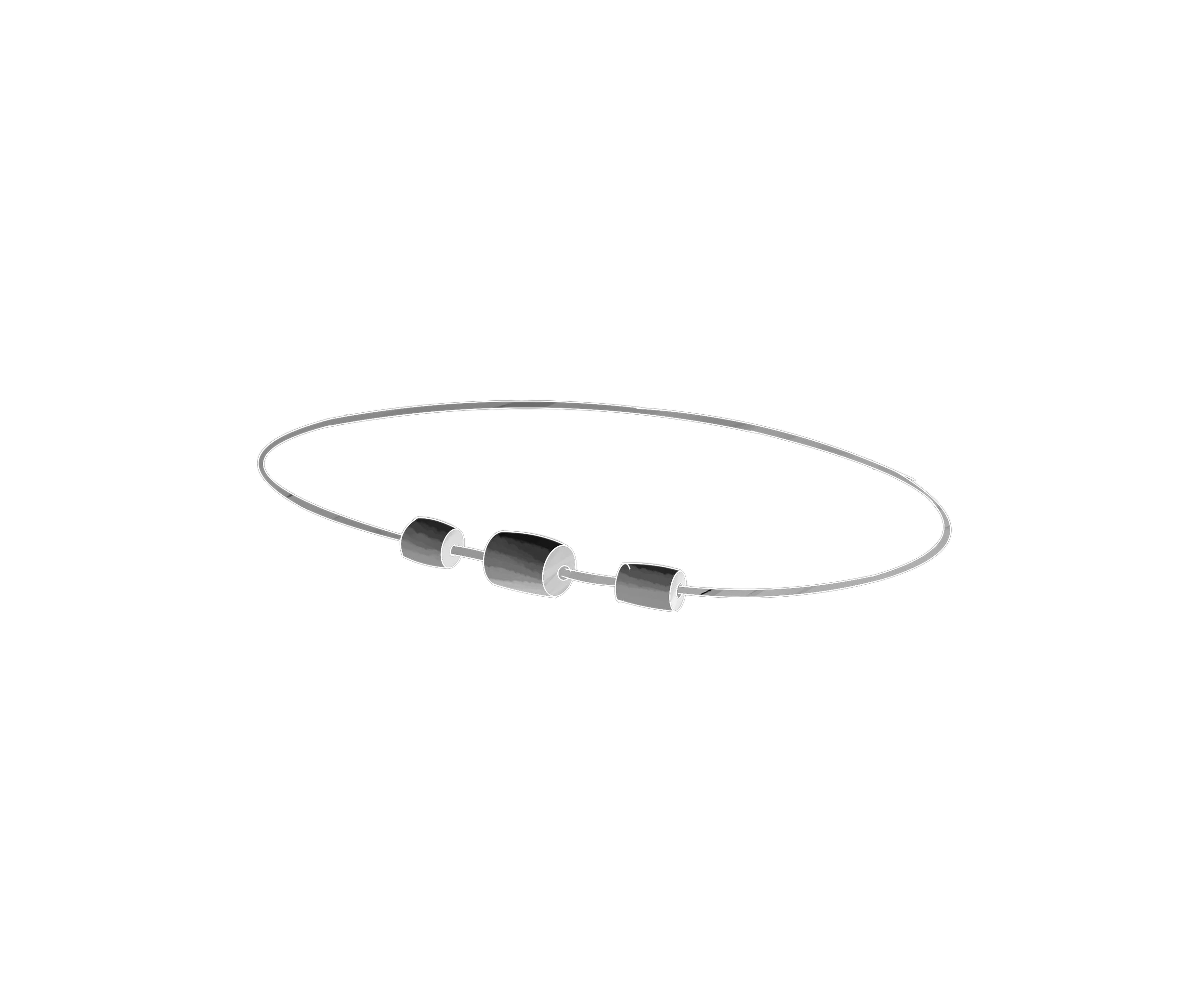
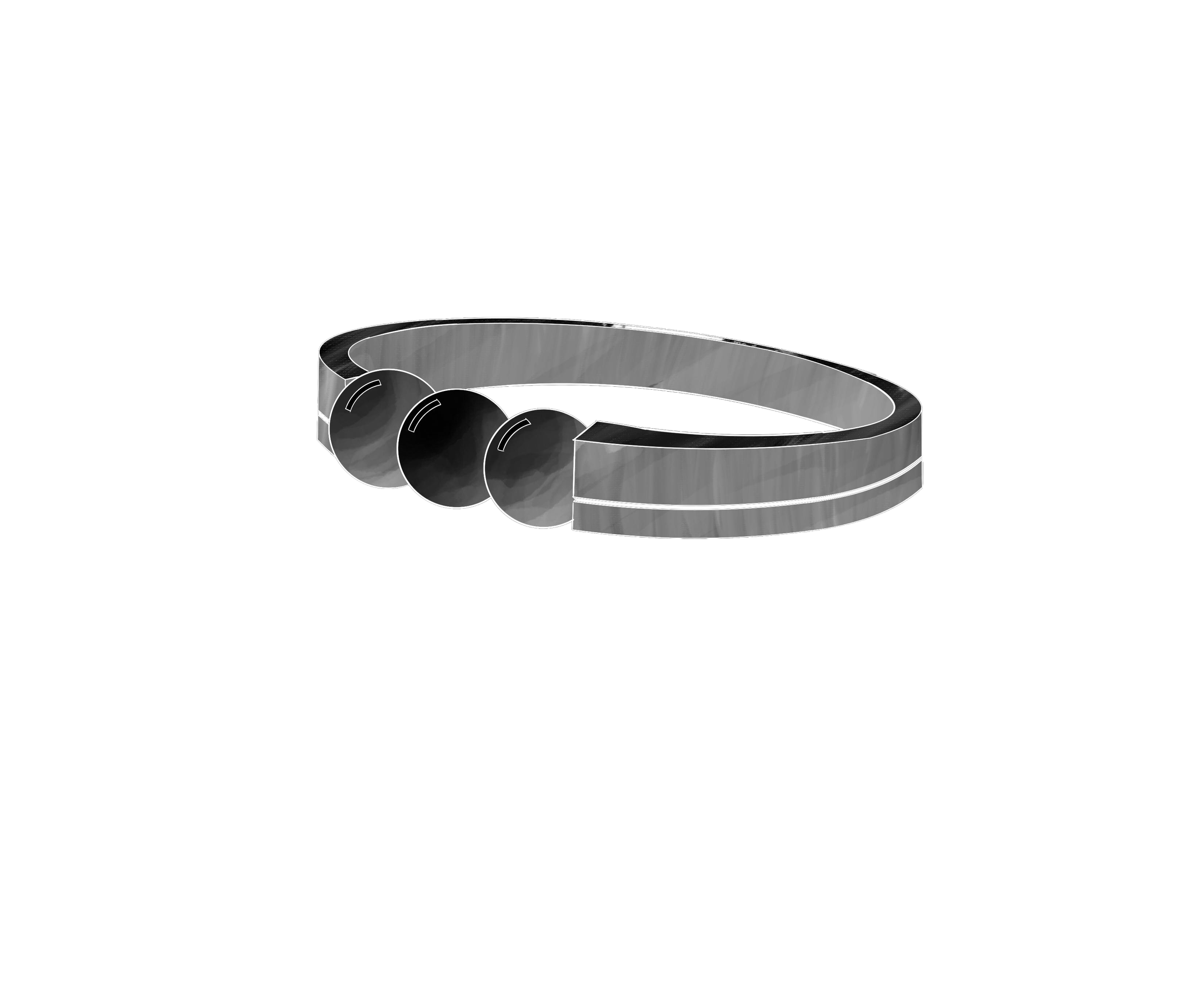
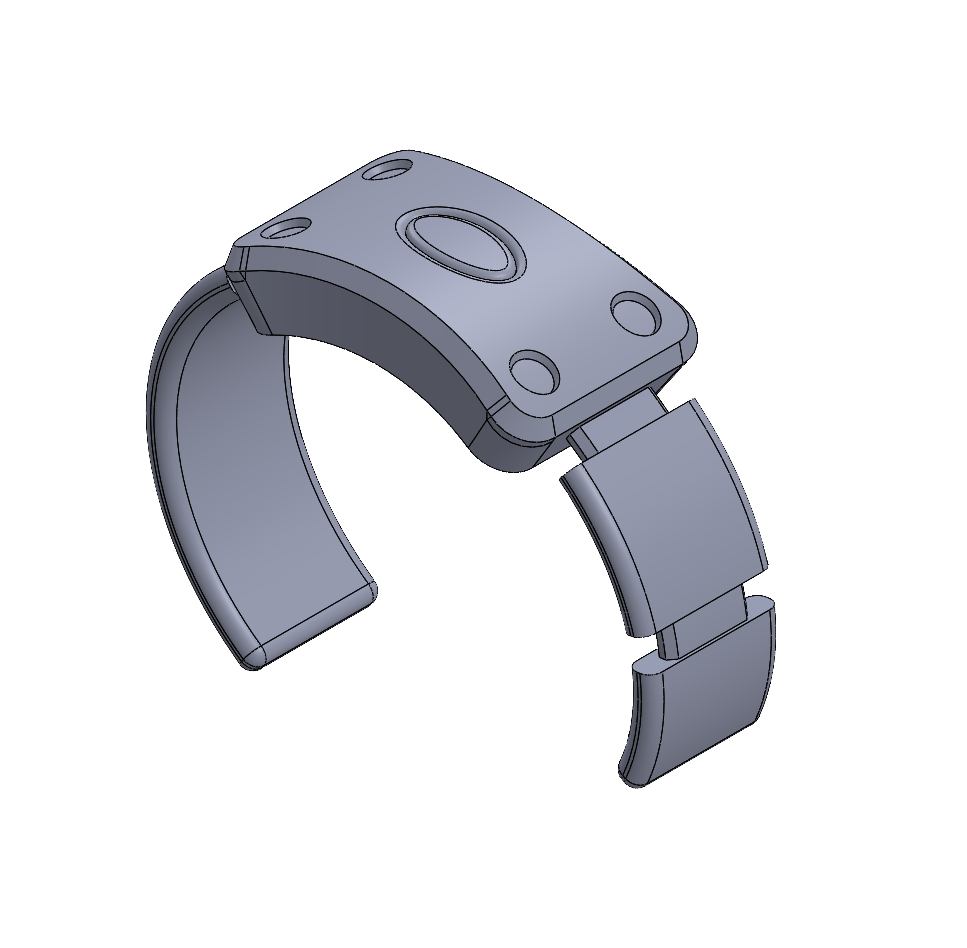
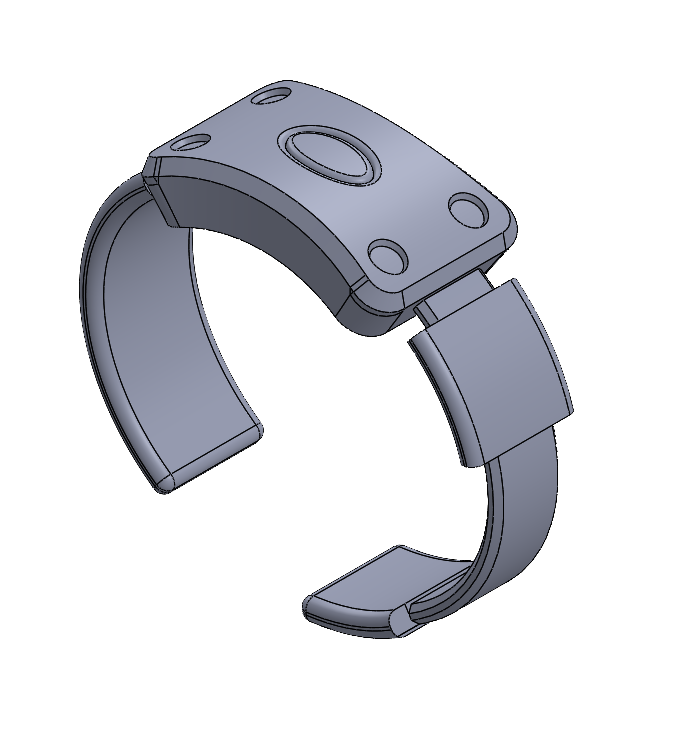
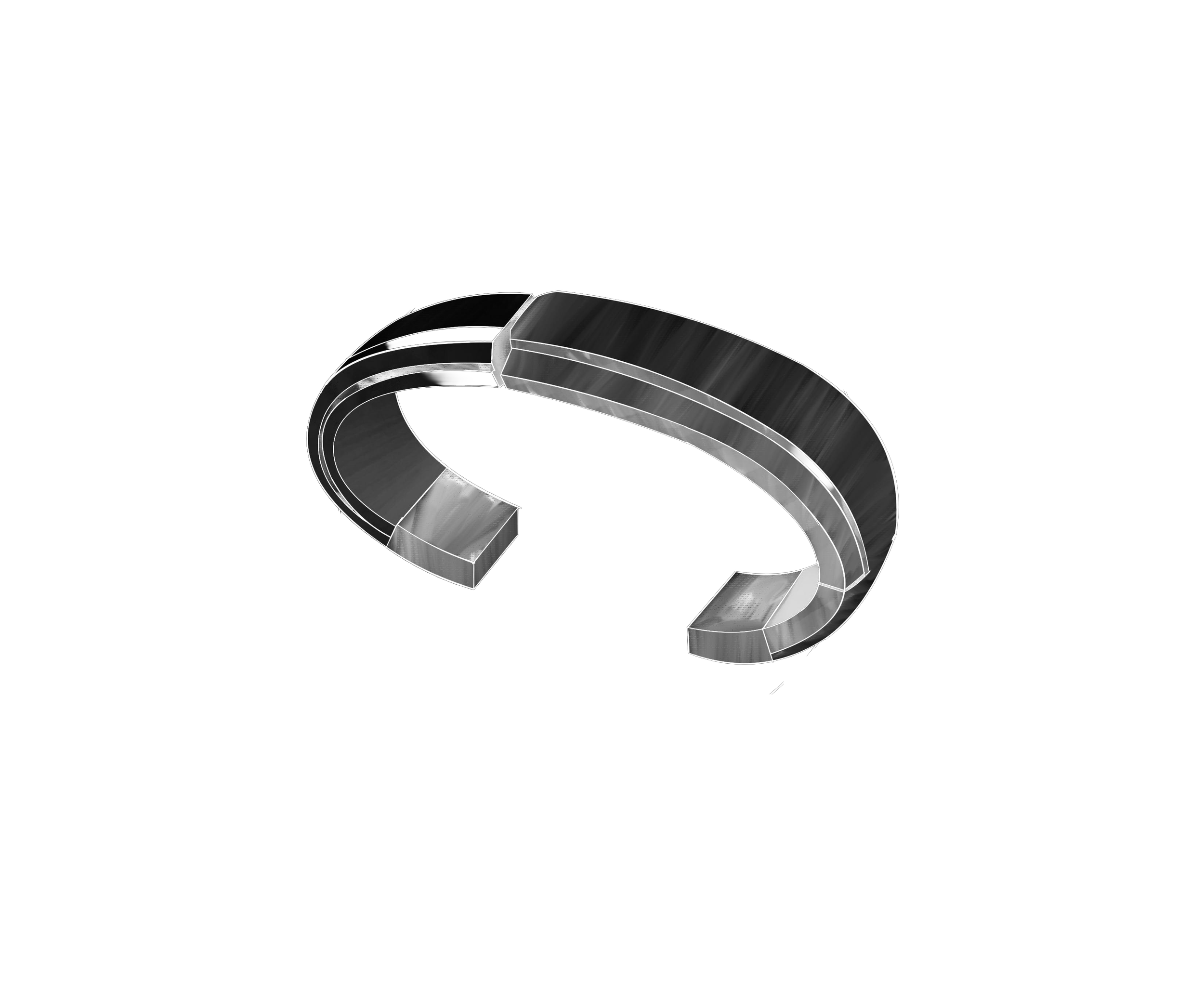

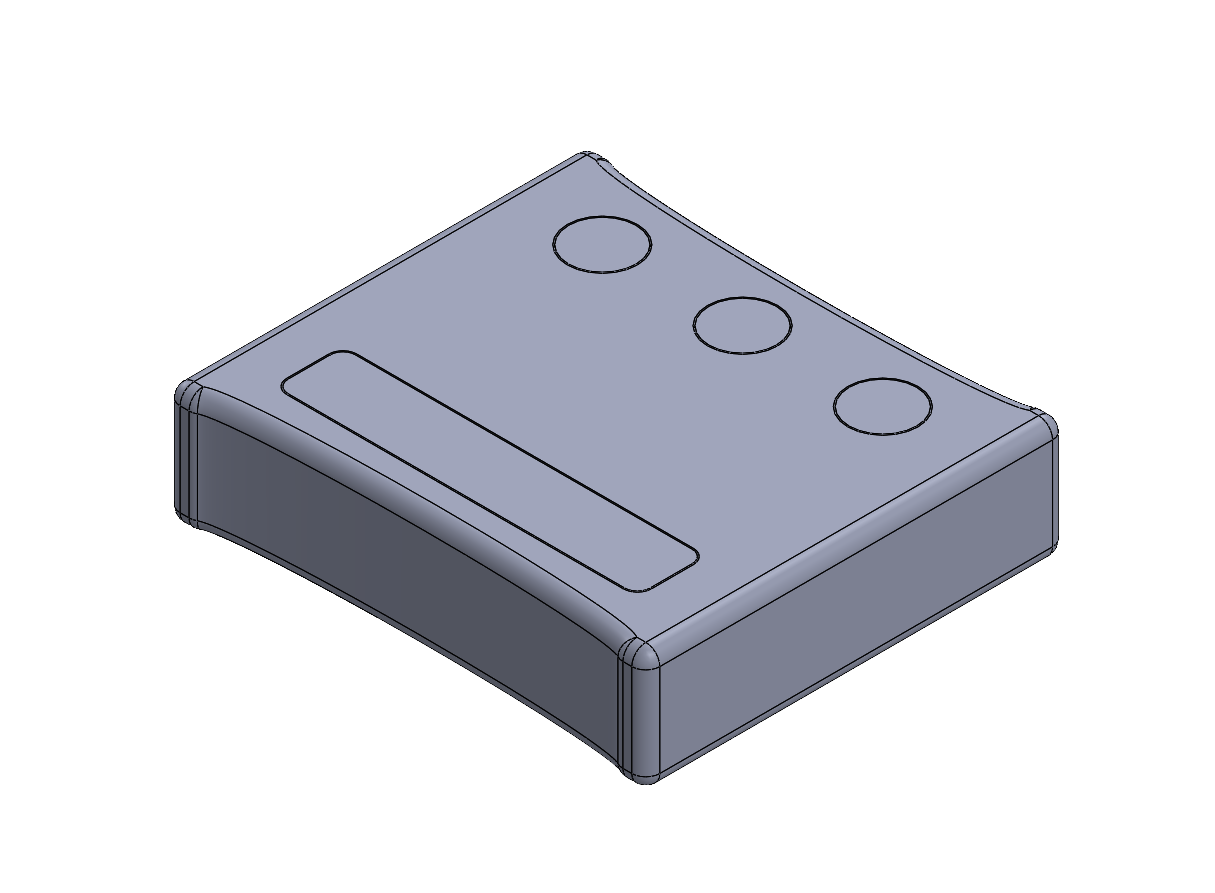

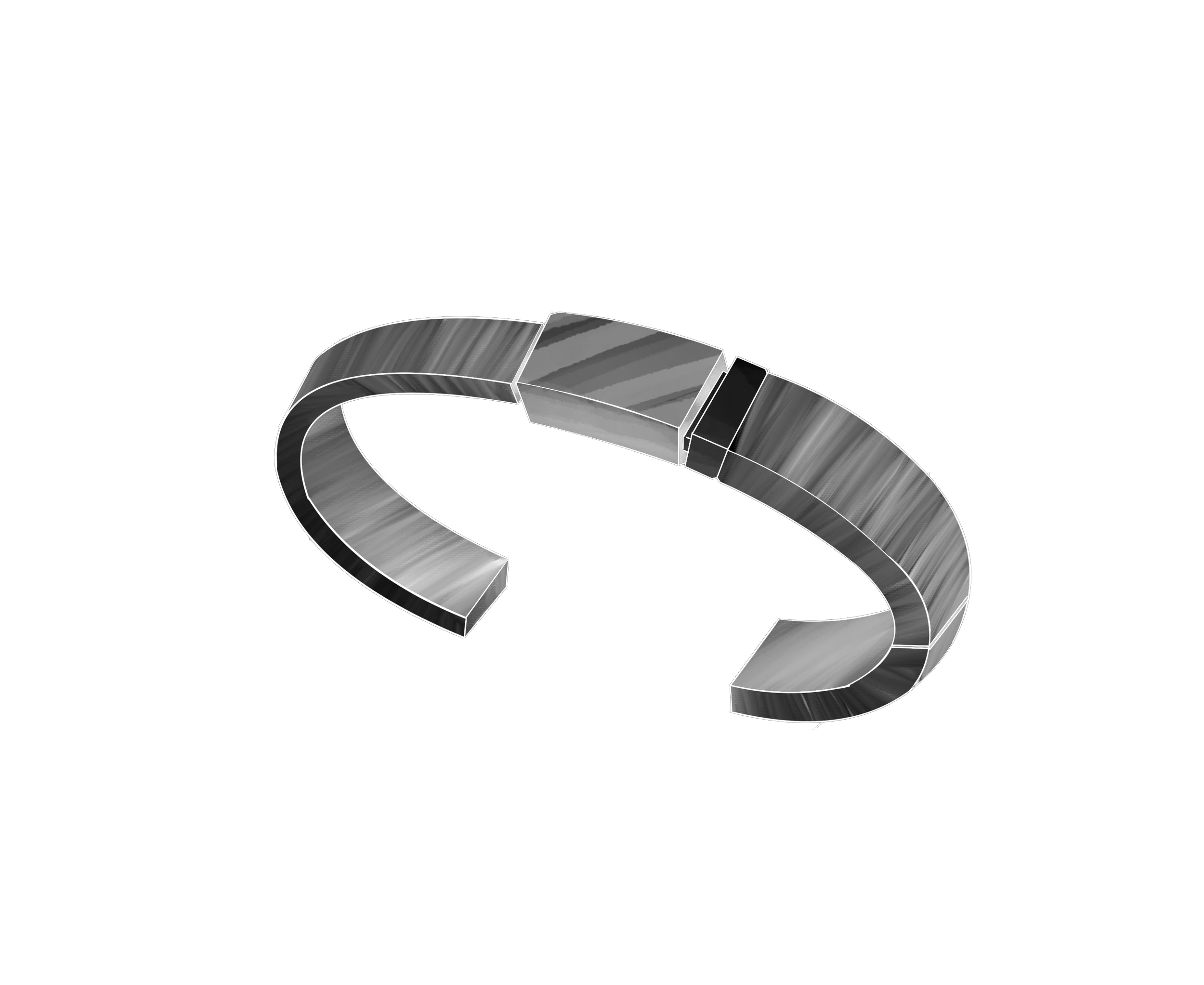

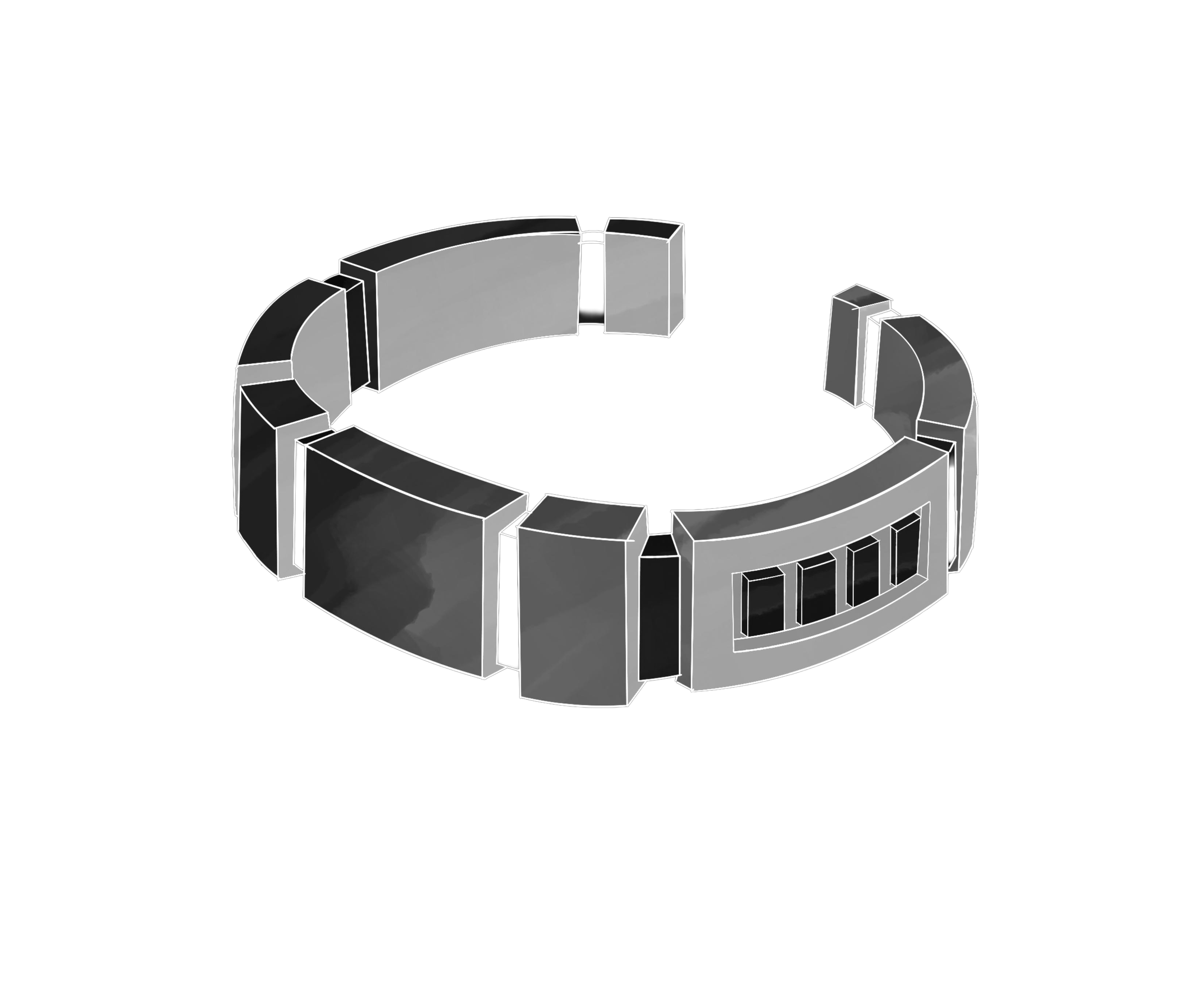
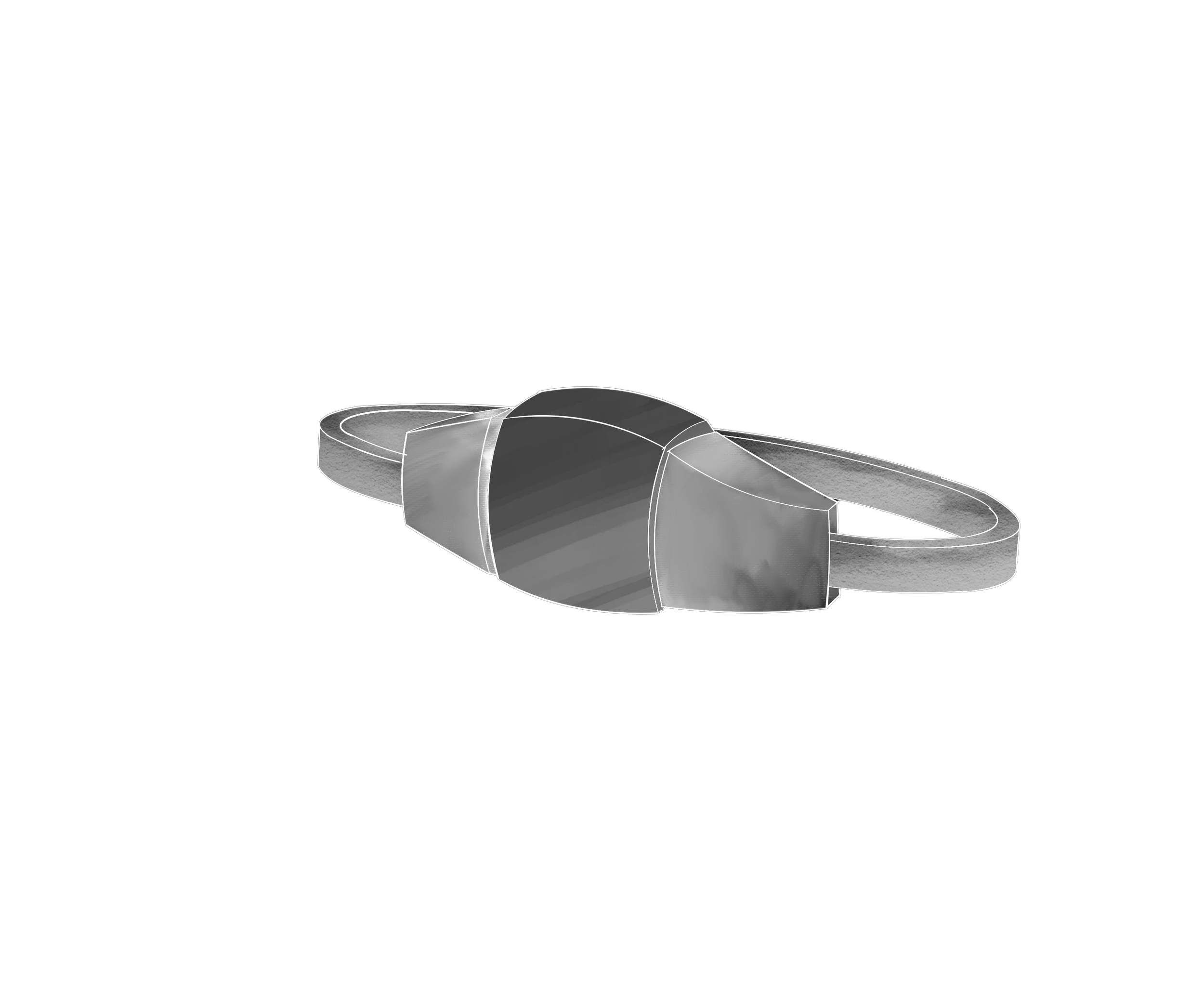

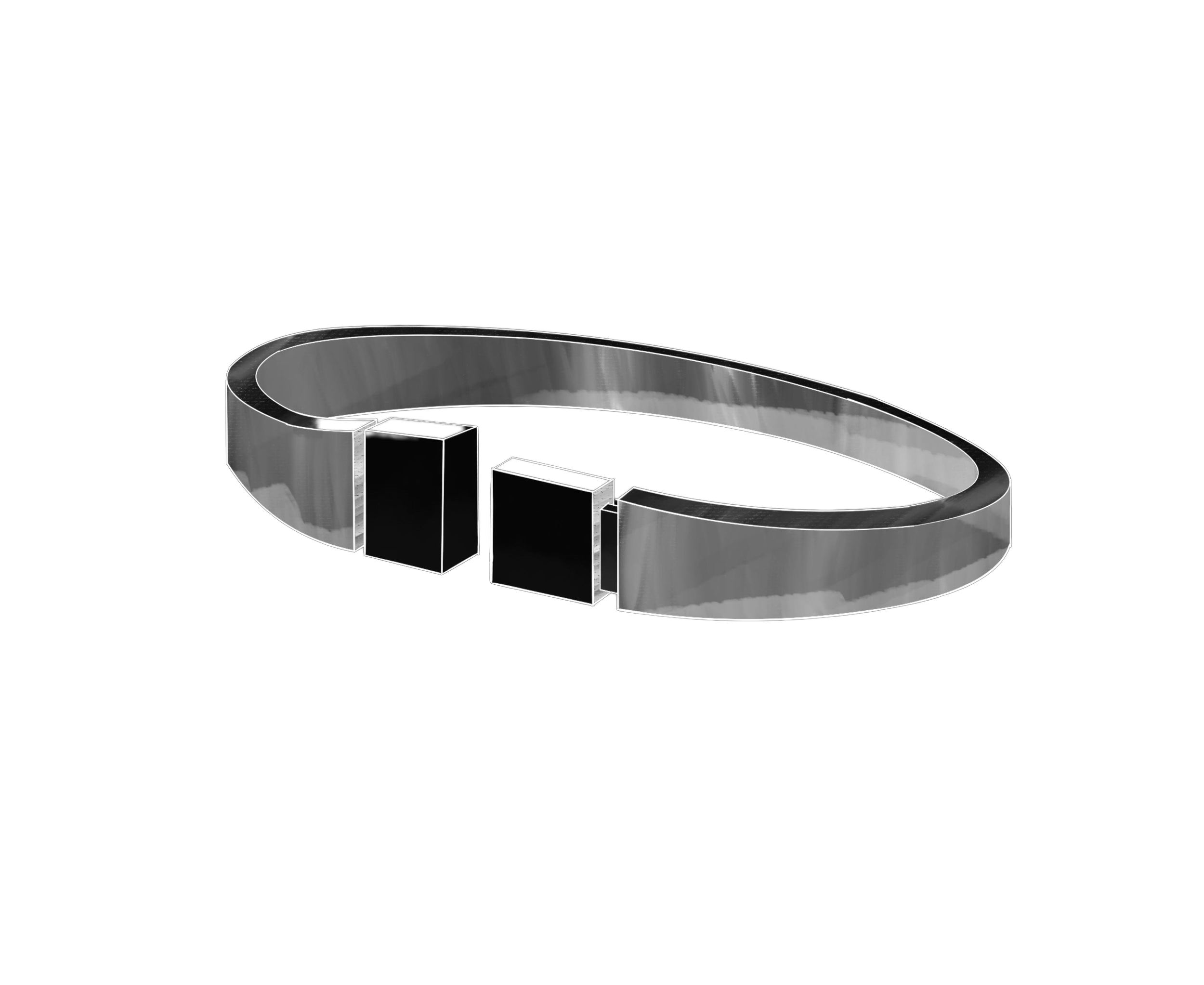
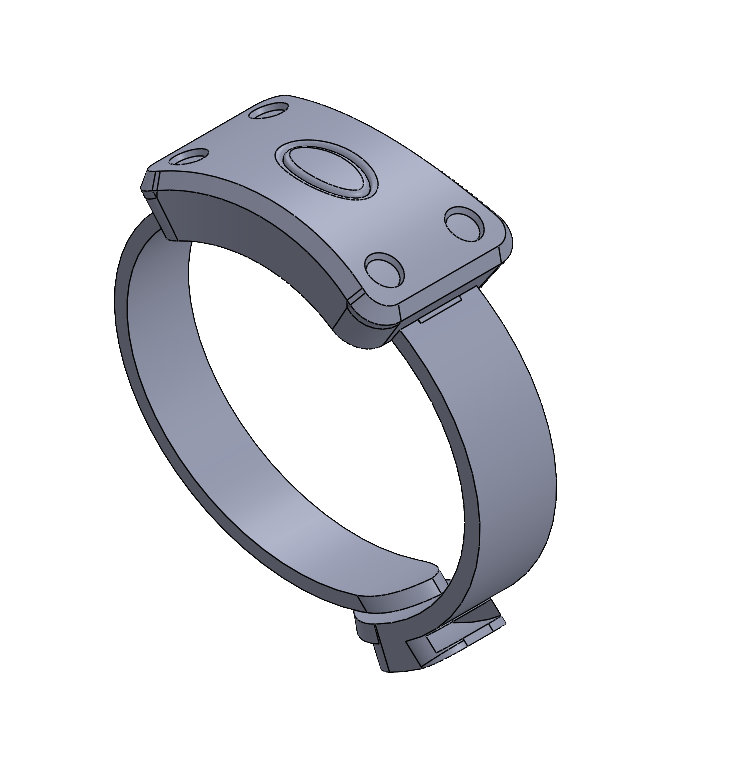
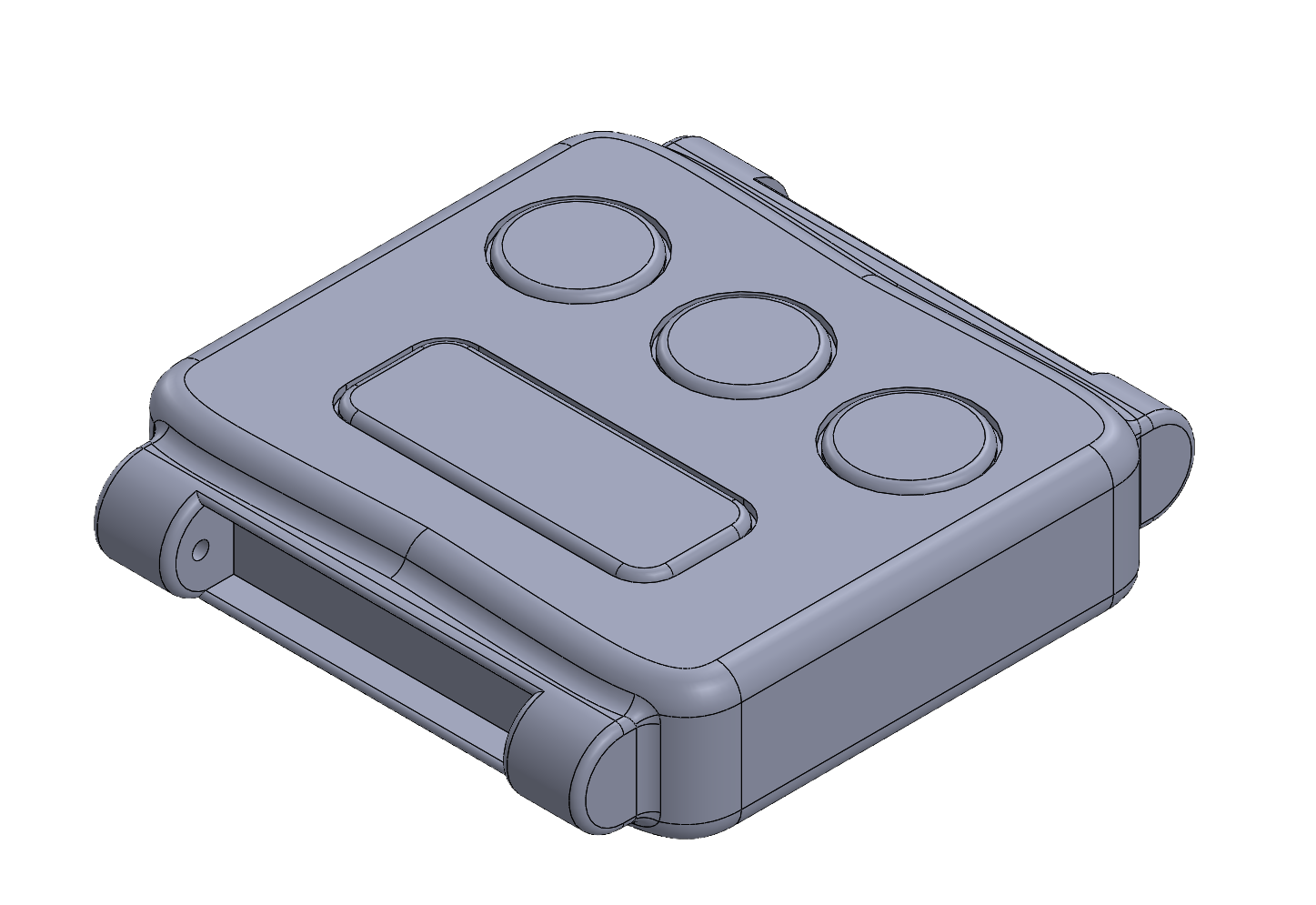
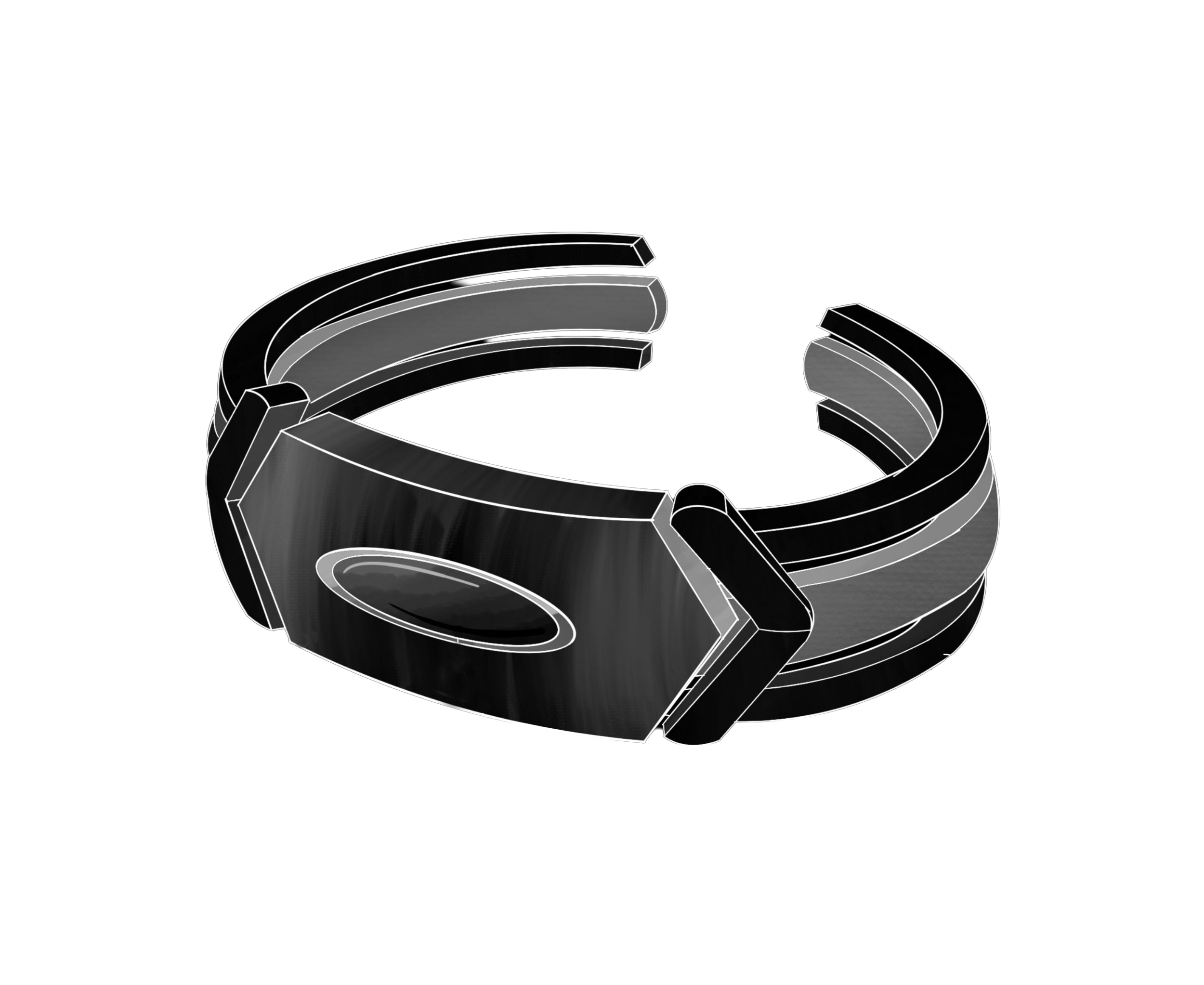
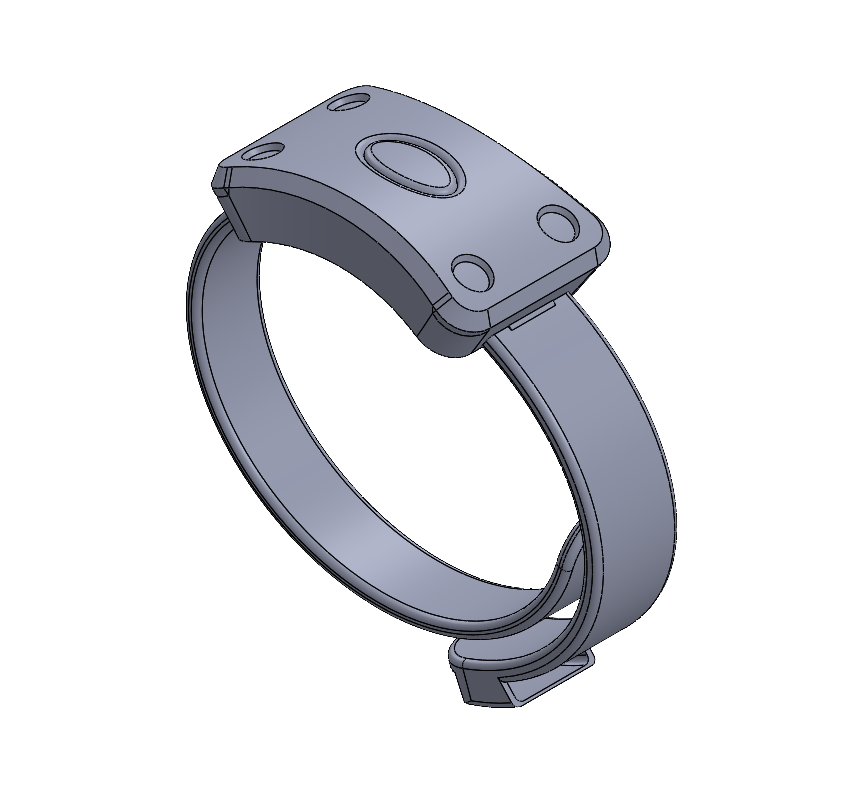
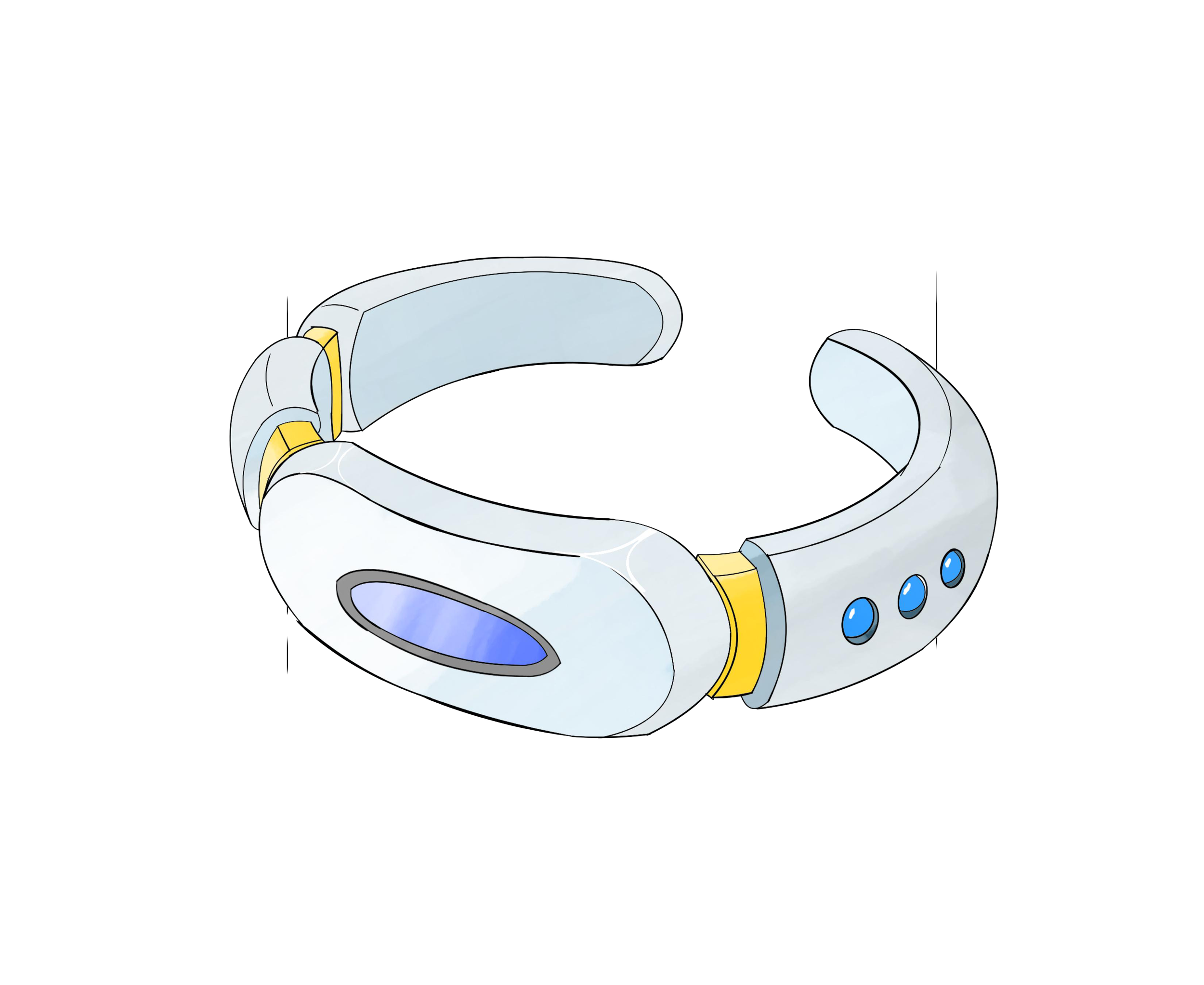
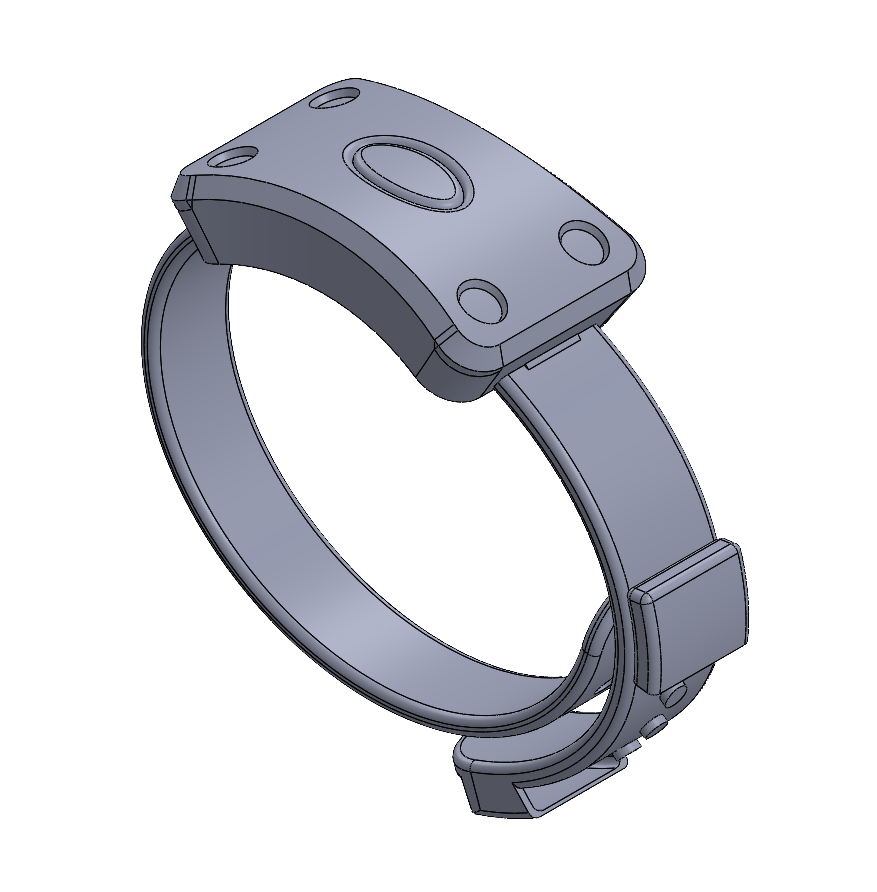
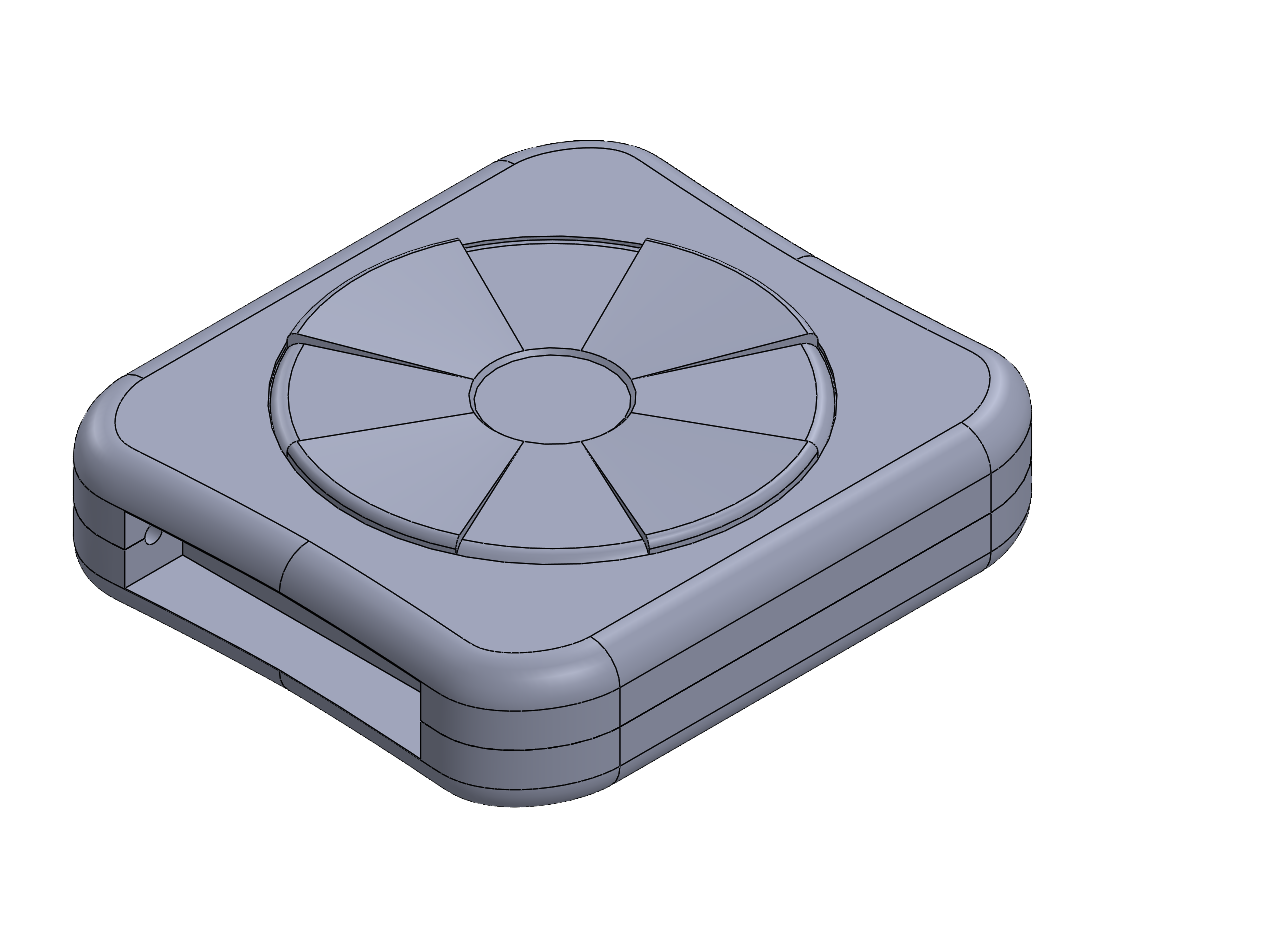
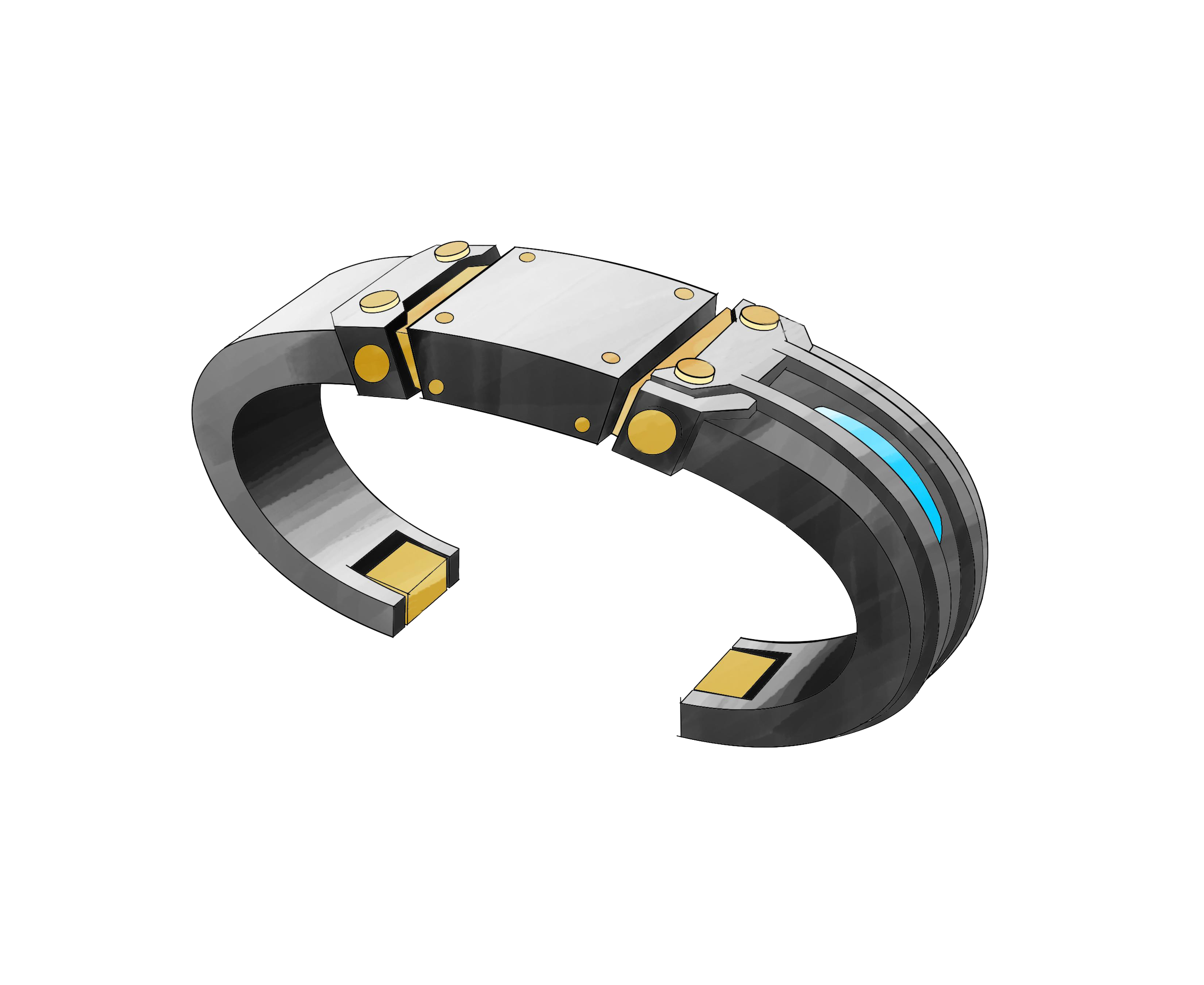
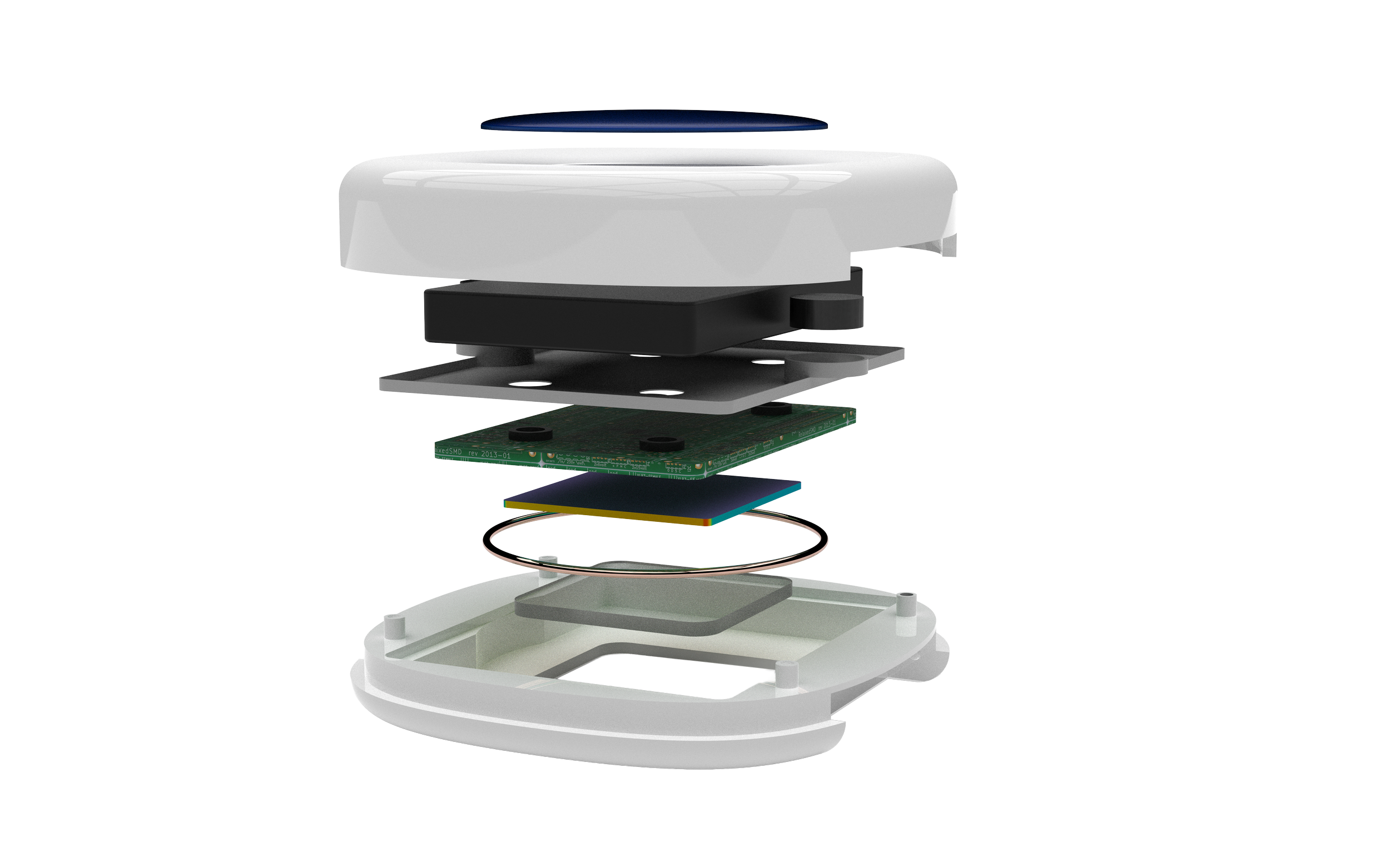
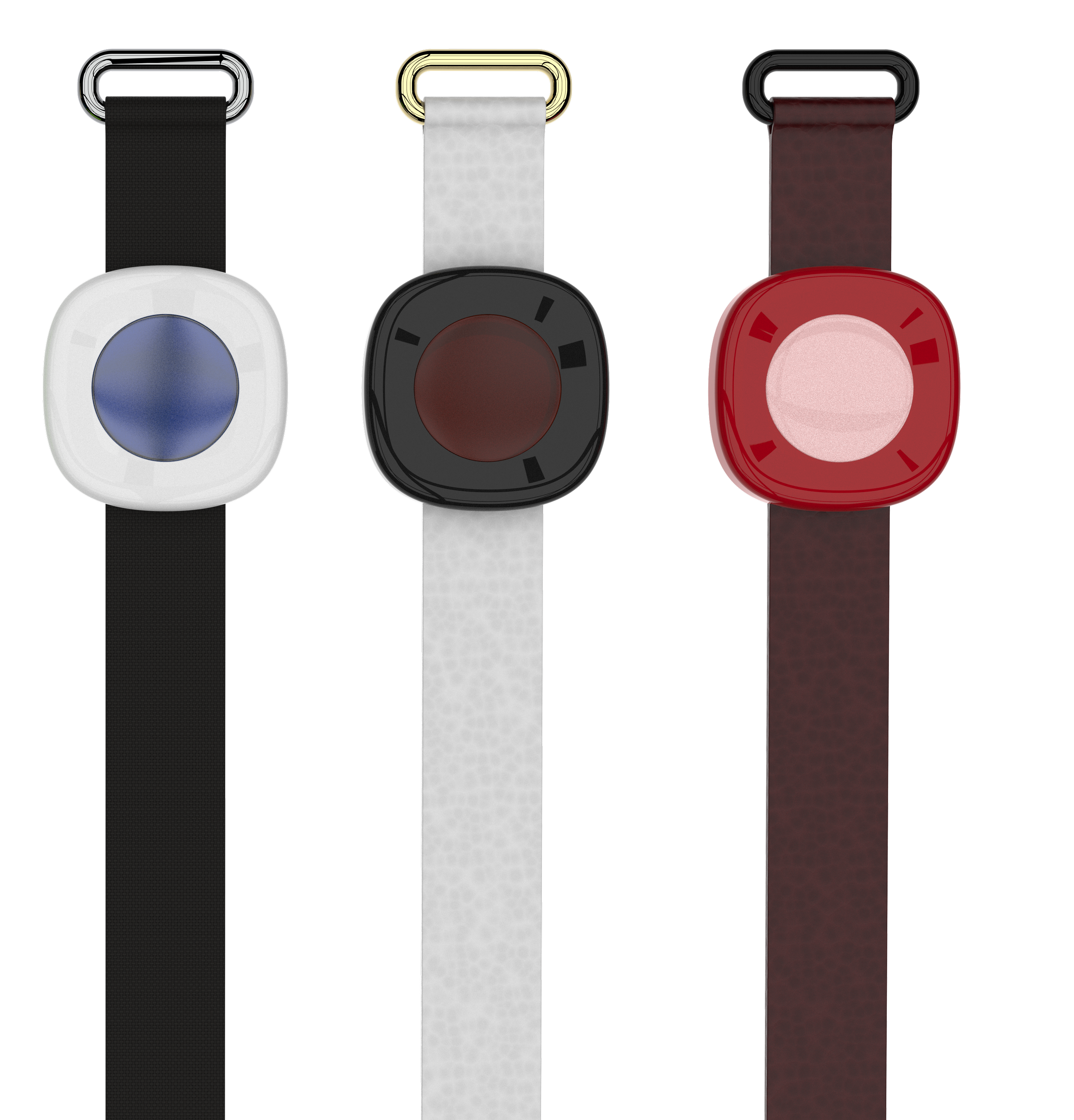
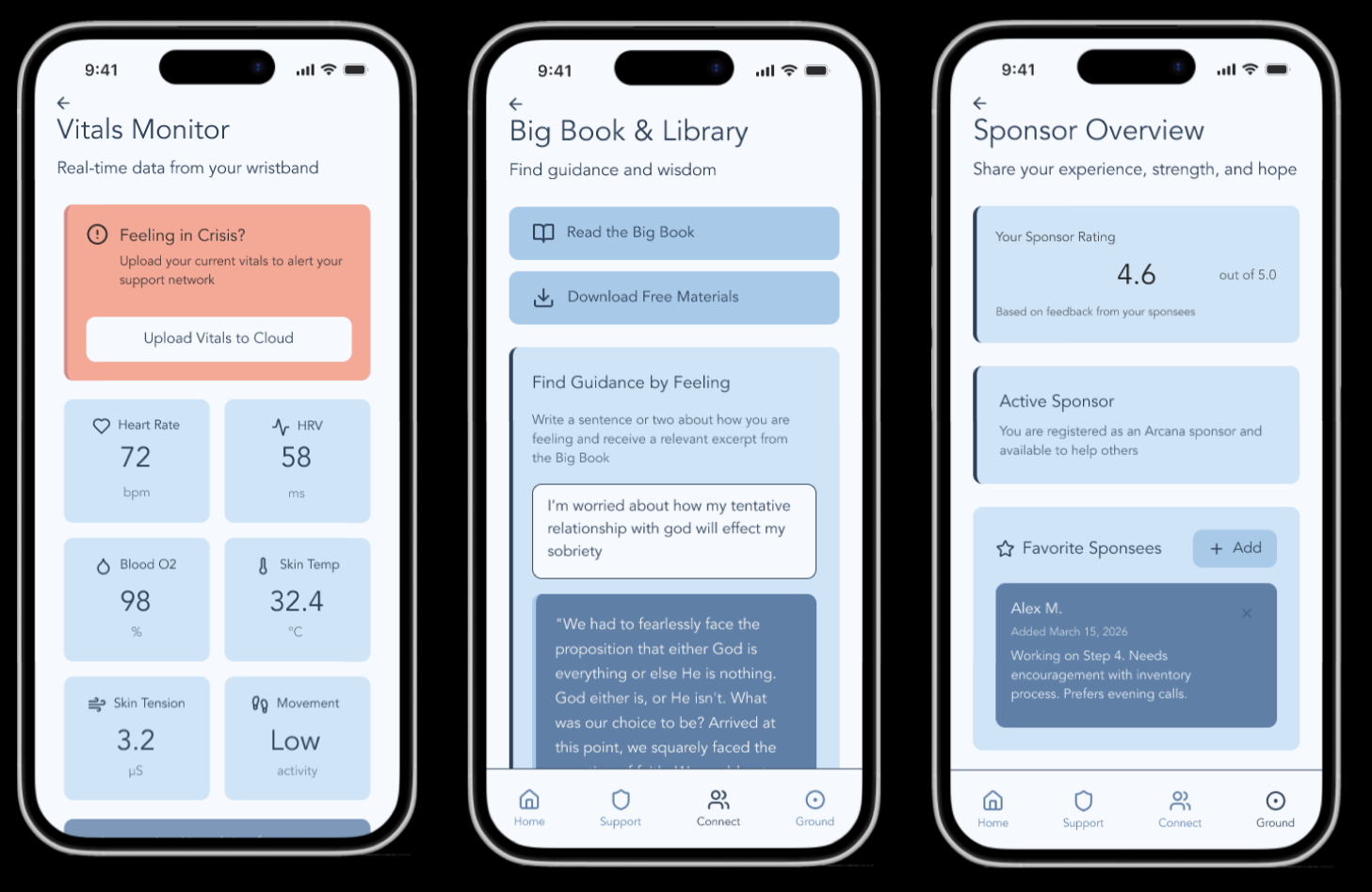
Arcana is a recovery support system designed to provide immediate access to support, structure, and emotional grounding with a wristband and companion app
Button
Pantone 2965 C
Silicone Rubber
Matte Soft-Touch Finish
Shell
Pantone White
Terluran GP-22 Injection Molded ABS Thermoplastic
SP A-2 High gloss finish
Lithium Polymer Battery
Supports wireless recharging for ease of use
Coin Vibration Motors (2)
Haptic feedback during relapse alerts and guided meditation
PCB Control Board
Bluetooth connection to phone app and system control
Vitals Sensor
Background monitoring of vitals for instances of potential relapse
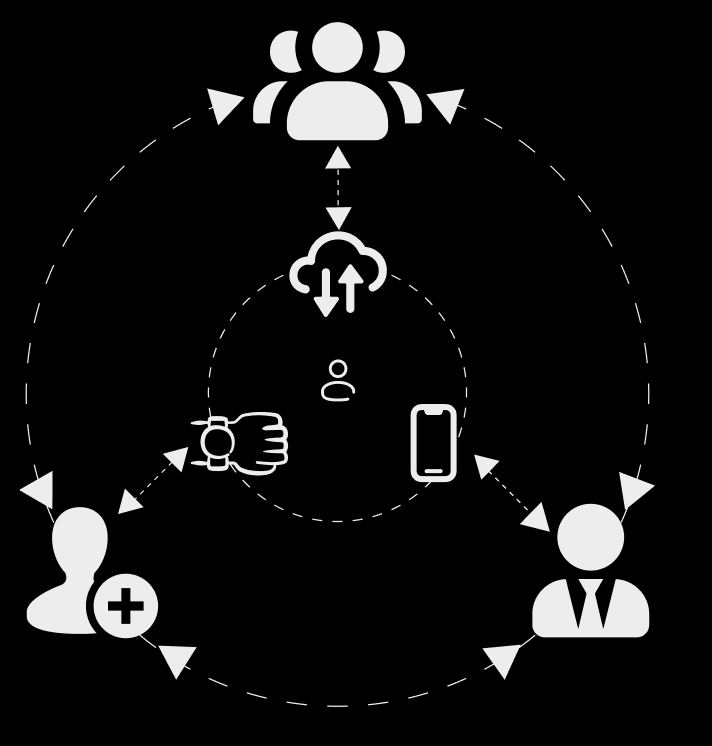

Recovery is not a single moment of change, but a continuous process of support, accountability, and presence.